The historical evolution of gambling From ancient rituals to modern systems
The historical evolution of gambling From ancient rituals to modern systems
The Origins of Gambling in Ancient Civilizations
Gambling has roots that stretch deep into the annals of human history, with evidence of its practice found in ancient civilizations such as Mesopotamia and Egypt. Artifacts, including dice made from animal bones, have been unearthed, showcasing that even as early as 3000 BCE, humans engaged in games of chance. These early forms of gambling were often intertwined with religious rituals, where casting lots was a method to seek divine guidance or predict future events. In the modern context, people can explore an exciting array of options, like maxi spin casino, which reflects the evolution of gambling over centuries.
In ancient Rome, gambling took on a more organized structure, with various games and betting systems becoming prevalent among the populace. Gladiatorial contests and chariot races became focal points for betting activities, reflecting a society that not only accepted gambling as a form of entertainment but also celebrated it as a part of cultural life. Romans even devised a legal framework governing gambling, indicating an early recognition of the need for regulation in this expanding pastime.
The influence of gambling in these early societies extended beyond mere entertainment. It was often used to foster social bonds, with community members engaging together in games, creating a shared experience that was both thrilling and, at times, deeply spiritual. The rituals associated with these activities often involved offerings to deities, making gambling not just a game of chance, but a means of cultural expression and community cohesion.
The Rise of Gambling in the Middle Ages
As societies transitioned into the Middle Ages, gambling maintained its popularity, although it began to be viewed with a more critical eye by religious institutions. The Church often condemned gambling, associating it with sin and moral decay. Despite this, games of chance persisted, particularly among the nobility who engaged in card games and dice, which became symbols of status and leisure. Tournaments and competitions offered opportunities for high-stakes gambling, illustrating how deeply entrenched the practice had become in society.
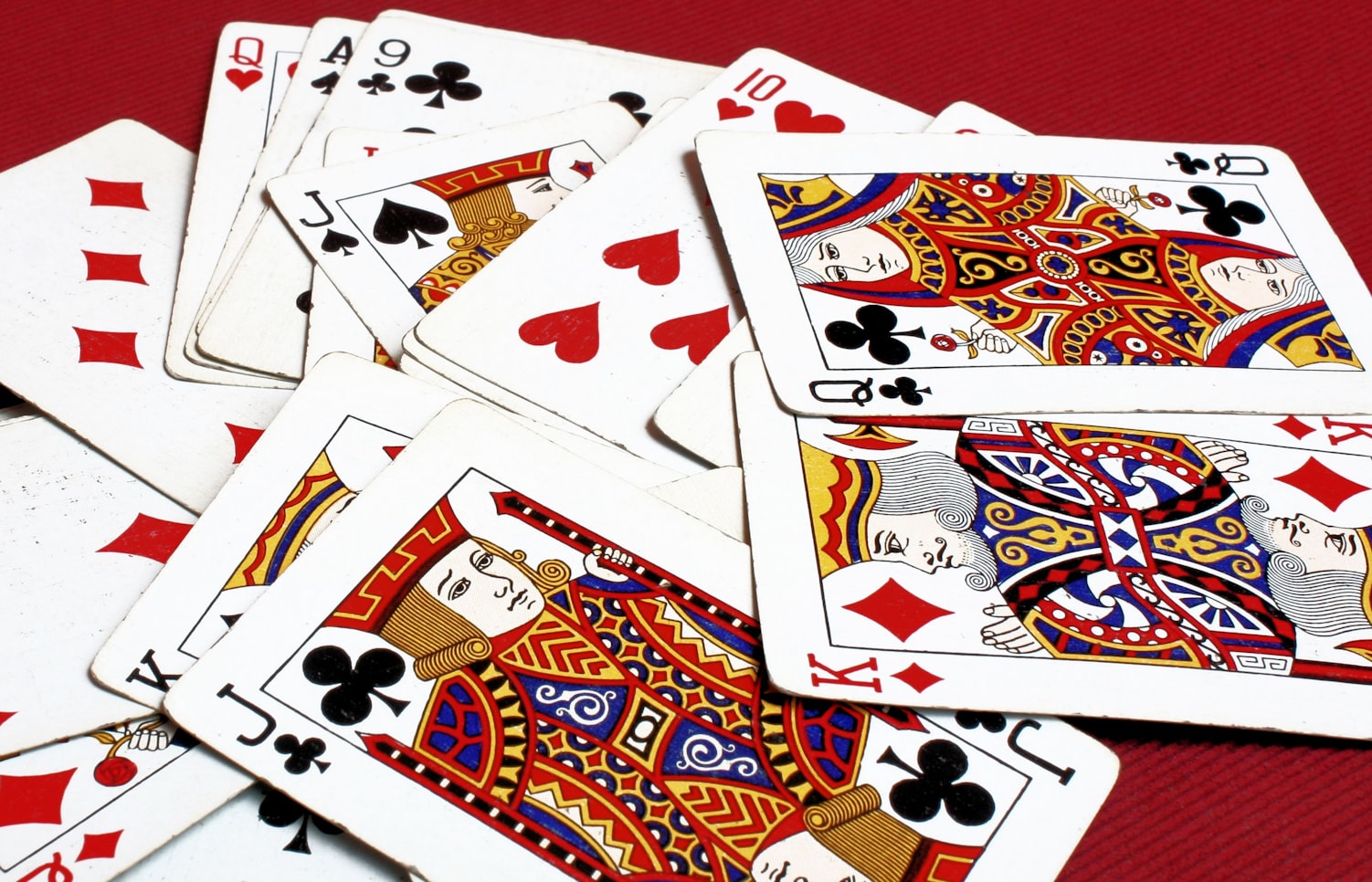
The introduction of playing cards in the late 14th century heralded a new era in gambling. Cards, initially hand-painted and expensive, gradually became more accessible, leading to the emergence of various card games. These games transformed the gambling landscape, allowing individuals from different social strata to participate. This democratization of gambling also laid the groundwork for the development of modern gaming establishments, where people could gather to engage in games of chance.
During this period, gambling took on different forms across Europe, with local customs influencing the types of games played. For instance, the English developed their own version of dice games, while the French popularized a variety of card games that would later evolve into modern-day poker. This blending of cultural influences contributed significantly to the diversification of gambling practices, fostering an environment ripe for innovation in gambling systems and regulations.
The Birth of Modern Gambling in the 18th and 19th Centuries
The 18th century marked a significant turning point for gambling, particularly in Europe with the establishment of the first formal casinos. The Casino di Venezia, opened in Italy in 1638, is often cited as the first gambling house, laying the foundation for a global casino culture. By the 19th century, with the Industrial Revolution in full swing, the proliferation of gaming houses and betting shops mirrored societal changes, offering new ways for individuals to engage with chance and risk.
This period also saw the development of iconic games such as roulette, which originated in France, and the emergence of horse racing as a prominent betting event. The introduction of laws regulating gambling, such as the Gaming Act of 1845 in England, reflected a growing acknowledgment of the need to control gambling activities to protect citizens from exploitation. These regulations facilitated the growth of licensed establishments, ensuring a degree of fairness in the gaming environment.
As gambling gained legitimacy, it became embedded in the social fabric of emerging urban centers. The excitement surrounding casinos and racetracks attracted individuals from all walks of life, creating a vibrant ecosystem of gamblers and operators. This era laid the groundwork for the diverse range of gambling options available today, marking a transition from clandestine activities to widely accepted recreational pursuits, with legal frameworks developing to manage the burgeoning industry.
The Evolution of Gambling in the 20th Century
The 20th century was a transformative period for gambling, witnessing significant changes brought about by technological advancements and shifts in social attitudes. The invention of the slot machine in the late 19th century revolutionized the gambling landscape, making it more accessible to the masses. Casinos began to incorporate these machines, attracting a wider audience and generating substantial revenue. The rise of Las Vegas as a gambling capital exemplified this transformation, turning gambling into a major entertainment industry.
During the mid-20th century, various forms of gambling, including state lotteries and sports betting, became increasingly popular as governments recognized the potential for tax revenue. The legalization of these activities also prompted the establishment of regulatory bodies designed to ensure fairness and consumer protection. This era marked the beginning of a significant change in public perception, as gambling evolved from a vice to a legitimate form of entertainment, integrated into the broader economy.
The latter half of the century saw the globalization of gambling, with online platforms beginning to emerge in the 1990s. This digital revolution allowed for unprecedented access to gambling for individuals around the world, leading to the proliferation of online casinos and betting sites. The ability to gamble from the comfort of one’s home transformed the industry and raised new questions regarding regulation and consumer safety, prompting governments to develop modern laws to address these challenges.

The Future of Gambling and Online Platforms
Today, the gambling industry is at the forefront of technological innovation, with online platforms providing a diverse range of gaming experiences. The integration of advanced technologies such as virtual reality and artificial intelligence is shaping the future of gambling, creating immersive experiences that mimic traditional casino environments. Online gaming has exploded in popularity, allowing players to access their favorite games at any time, further blurring the lines between traditional and digital gambling.
In addition to gaming options, modern platforms also prioritize user experience, implementing clear payment processes and engaging promotions. Websites like MaxiSpin Casino Australia exemplify this trend, offering a comprehensive online gaming experience tailored to player preferences. With a variety of slot games, live table options, and user-friendly interfaces, such platforms ensure that gambling remains a thrilling and accessible form of entertainment.
As the gambling industry continues to evolve, discussions around regulation and responsible gambling practices are more critical than ever. Governments and regulatory bodies strive to adapt to the rapidly changing landscape, ensuring that the rights and safety of consumers are upheld. The future of gambling promises to be dynamic, bridging the gap between tradition and innovation as society navigates the complexities of modern gaming.