A Complete Guide to the Casino Sign Up Process
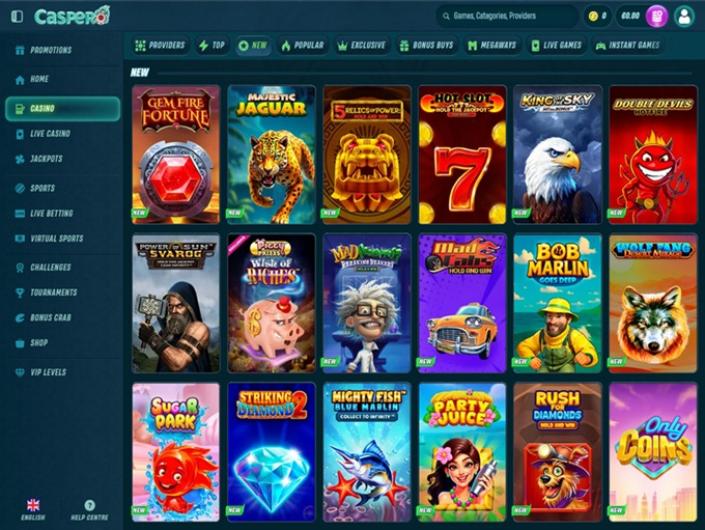
When I decide to open an account with a gaming platform like Caspero Casino, I always remember that the sign-up process is about more than just filling in boxes. It’s my first real interaction with the brand, defining the atmosphere for everything that follows. I want that experience to be seamless, transparent, and secure. Over the years, I’ve realized that understanding each step before I begin avoids frustration. In this guide, I’ll walk you through creating a casino account, from the initial form to security settings. I’ll concentrate on practical steps, common hurdles, and the reasoning behind the questions. Taking on sign-up with a composed, informed mindset turns a chore into a confident first move.
Deciphering the Registration Form
What I initially come across is the registration form in itself. I see it as a structured conversation, not a barrier. Typically, it asks for an email, a password, and a few personal attributes. I read field labels carefully because platforms occasionally use different terms. On Caspero Casino, the email serves as my primary identifier, so I double-check for typos. I notice whether the form uses a separate username or just my email, because that affects later logins. I lean toward minimal forms that ask only for what’s necessary, demonstrating consideration for my schedule and a focus on security rather than data harvesting. Taking fifteen extra seconds prevents account recovery headaches.
Many registration forms contain a promotional code field or a bonus opt-in. When I encounter this, I stop. Some welcome offers demand a code entered during sign-up, and missing it could result in losing a match bonus or free spins. I always check the promotions page in advance and note any relevant code. Yet I also examine the terms attached, because wagering requirements and game restrictions could be incompatible with my play style. If I’m unsure, I leave the field blank; I can often return to promotions later or contact support. The key is arriving at an informed choice rather than rushing. A calm, deliberate approach protects both my bankroll and expectations.
Some forms split the process into steps, while others show a long page. I like multi-step flows because they aren’t overwhelming me with fields at once. On Caspero Casino, a progress indicator offers me control. The first step handles credentials, the second personal details, and the third could request contact preferences or security questions. I fill out each section fully before advancing. If a step requests a mobile number, I think about whether I want SMS notifications or two-factor authentication later. I’m willing to provide my number if the privacy policy indicates it won’t be shared. This thoughtful progression ensures that by the time I submit, every detail is accurate and necessary.
Submitting Accurate Personal Details
After creating credentials, the sign-up requires my full name, date of birth, address, and sometimes a national ID. I recognize these aren’t optional formalities—they establish my verified identity. I enter my legal name exactly as on my ID, without nicknames. A mismatch will cause trouble during KYC. I handle the date of birth field with extra care; underage gambling is illegal, and a wrong digit can cause an automatic block or manual review. I input carefully, double-checking each character. Taking a breath and verifying makes sure I don’t create a hurdle that will delay my access later. Accuracy here saves significant frustration.
For my address, I check directly to a recent utility bill or bank statement. Inconsistencies in postal codes, apartment numbers, or spellings are common verification failure points. I require my address to correspond to the document I’ll upload down to punctuation. Even if the browser offers autofill, I manually check the data is current—I’ve moved enough to know saved addresses can be outdated. Caspero Casino’s international format requires selecting the country first, which reshapes subsequent fields. Entering the address with patience now spares me frustrating back-and-forth emails with compliance later. I take the time to do it correctly the first time.
Some forms ask for occupation or source of funds https://caspero.com.es/login/. I don’t see these as intrusive; they’re part of responsible gambling and anti-money laundering. I respond honestly, selecting the category that matches my professional situation. If asked for expected monthly deposits, I provide a realistic entertainment budget, not an aspirational figure. This aids the platform’s systems detect unusual activity that might signal problem gambling or fraud. I value that Caspero Casino integrates these questions seamlessly, showing commitment to compliance and player wellbeing. With all fields completed truthfully, I’m ready for the next stage: demonstrating I am who I say I am.
Selecting a Robust and Safe Password
Setting up a password is the most impactful security choice I make. I regard my casino account password with the same seriousness as banking. I never repurpose passwords from other sites, because a breach elsewhere could cascade into my gaming wallet. I utilize a password manager to produce a random sequence of at least twelve characters blending letters, numbers, and symbols. For Caspero Casino, I ensure it’s unique. I avoid predictable patterns like dictionary words or keyboard walks. Attackers can break weak passwords swiftly, so I aim for complexity that would take years to guess. A strong password is my first line of defense, and I never trade it for memorability.
I also consider password policies. I welcome requirements that force a character blend or minimum length, because they show basic security practices. Still, I don’t stop at the minimum. If the site demands eight, I’ll produce twelve or more. After creating the password, I save it in my password manager, never on a sticky note or unencrypted file. My manager updates across devices, so I can log in from every location. If I notice exposure, I alter the password instantly. Rotating passwords every few months is a good custom, but only useful if each new one is equally strong. I treat this as an ongoing obligation.
Before completing, I check the form has a show/hide toggle so I can verify my input is correct. I also look at the URL bar for HTTPS and the padlock icon—a non-negotiable marker that my data is encrypted in transit. On Caspero Casino, I would never continue without that padlock. Once satisfied, I type the password, confirm it if needed, and mentally record it as the key to my account. With this step done correctly, I’ve already removed a large share of common compromise situations. I can then progress to supplying personal details with the certainty that my credentials are safe.
The KYC Verification (KYC)
Verification, or KYC, transforms a provisional account to full access. I recognize it’s simultaneously a compliance rule and a safeguard for my balance. Shortly after sign-up, I receive a request to upload documents. I never procrastinate, because the quicker I verify, the sooner withdrawals are smooth. The typical requirement includes a photo ID, proof of address, and sometimes the payment card with middle digits covered. I prepare clear, well-lit images or PDFs before beginning the upload, so I’m not rushing later. This readiness makes the process appear uncomplicated rather than a frantic chore, and it indicates to the compliance team that I’m diligent.
When taking my ID, I make sure all borders are shown, there’s no reflection, and the document is not expired. I set it on a dark surface in natural light if possible. For proof of address, I select a utility bill or bank statement dated within three months, exactly meeting the period Caspero Casino specifies. I verify that the name and address exactly match my registration—even a missing apartment number causes a discrepancy. I submit via the secure portal, not email, because encrypted uploads are safer. This careful approach turns a mandatory step into a hassle-free verification, lowering the chance of a denial that would set back my access.
The verification team usually processes documents within hours to a couple of days. I stay patient, knowing manual inspections are performed by real people screening against watchlists and fraud databases. If I’m asked for more information, I reply promptly and politely. A cooperative attitude often accelerates things. Once I receive the confirmation that my account is verified, I sense a genuine sense of relief and trust. Every other verified player has undergone the same scrutiny, creating a protected community. This rigorous step might seem tiresome, but I consider it as a pillar of a secure, reputable casino environment where I can play with confidence.
Configuring Two-Factor Authentication
Once authenticated, I instantly move to two-factor authentication (2FA). I regard it as the single most impactful step to protect my account and data, even if my password is compromised. Caspero Casino supports 2FA via an authenticator app or SMS. I prefer app-based codes because they remain not prone to SIM-swapping. I get a trusted authenticator, capture the QR code, and the one-time generator is connected. From that moment, logging in demands both my password and a time-sensitive code from my phone. This step makes unauthorized access nearly impossible, and I enable it before doing anything else, turning a new account into a fortress.
Activating 2FA takes only a few minutes but builds a strong shield. I save backup recovery codes protected—on paper and stored securely, or in an encrypted note—never as a plain text file. These codes are my lifeline if I cannot access my phone. When logging in, I select the “remember this device” option only on my personal, password-protected computer with disk encryption. On shared or public terminals, I never tick that box. This layered protection means that even if my password leaks through a keylogger on a borrowed laptop, the attacker still encounters the 2FA wall and is blocked. I rest easier knowing that extra step is in place.
After turning on 2FA, I regularly inspect the account activity log. Many platforms send email alerts for each login with IP and position. I watch for any unrecognized tries. If I see a login from a strange area, I realize 2FA blocked it, but I still update my password immediately. Caspero Casino’s native integration of these security features counts. I set up 2FA right after verification, while motivation is strong and devices are available. Postponing it creates a exposure window I decline allow. By establishing 2FA a non-negotiable first action, I secure protection that endures with my account for its existence.
Frequent sign-up issues and How to Solve Them
Even when I heed a guide, I occasionally hit snags. The most frequent error is an email already registered. I don’t panic; I calmly check if I could have an old account. I try the password reset function to determine if it triggers a recovery email. If it works, I log in. If no email shows up, I realize that someone may have mistyped, or a dormant account exists under an old address. I get in touch with support rather than opening a duplicate account, which breaches terms and could lead to permanent closure and confiscated funds. Carefully ruling out possibilities prevents me from a compliance headache later.
Another common hurdle is a country conflict. The platform compares my selected country with IP geolocation. If I’m on the move or using a VPN, the system might identify me. I always deactivate my VPN during sign-up to ensure a clean session reflecting my residency. If I’m in a restricted jurisdiction, I respect legal boundaries and refrain from attempting to get around them. Date of birth format errors also cause problems; I check for placeholder text displaying the expected order, swapping month and day if needed. I also ensure I’ve marked the boxes for terms and age confirmation—these tiny checkboxes are easy to overlook.
Sometimes errors are tech-related: a page hangs on submission or a CAPTCHA doesn’t load. I first try a different browser or clear cache and cookies. I make sure my browser is current and turn off aggressive ad-blockers or script-blockers that might disrupt. Moving to a standard incognito window rules out extension conflicts. If the problem continues, I snap a screenshot of any error code and contact support with exact details—operating system and steps I took. With a systematic approach, I solve most issues quickly and prevent souring my first impression. Patience and evidence render support interactions faster and more efficient.
Securing Your Account After Sign Up
Validation is a landmark, but my obligation doesn’t end. First, I visit the security settings panel on Caspero Casino. I ensure my contact email is accurate and that no unknown secondary contacts have been added. I sign out any unrecognized sessions via session managers. I enable login notifications so every entry alerts my email or phone. I also activate withdrawal protection features like a time delay or cooling-off lock that stops instant payment method changes. These protections add friction for anyone attempting to drain my account, while I can easily bypass them with proper verification when I truly want to cash out.
I never store my password in the browser’s built-in manager on shared devices. Instead, I depend on my dedicated password manager with a master password or biometric unlock. I refrain from logging into my casino account on public Wi-Fi unless I’m using a reputable VPN, but I choose a secure home or mobile data connection. I ensure my device’s OS and security software updated; vulnerabilities in outdated software can compromise keystrokes and session tokens. These habits become second nature. I handle my casino account with the same digital hygiene as my email and banking apps, because the financial and personal risks are comparable.
To finish, I establish personal limits right after sign-up. Deposit, loss, and session time limits are safe gambling measures and also shields against unauthorized activity. If someone obtains access, a daily deposit cap caps the immediate damage. Caspero Casino includes these controls prominently. I select realistic limits matching my entertainment budget and resolve to not impulsively adjusting them. I activate reality checks that remind me how long I’ve been playing. This proactive mentality ensures my account safer from external threats and my own lapses. By stacking technical defenses with behavioral guardrails, I establish an environment where I can experience games without anxiety, knowing I’ve done everything reasonable.