Vibrant community events extend from local gatherings to https://thebonrush-uk.co.uk fostering inclusive wellbeing
- Vibrant community events extend from local gatherings to https://thebonrush-uk.co.uk fostering inclusive wellbeing
- The Power of Local Gatherings and Festivals
- Fostering Inclusivity at Events
- The Role of Arts and Culture in Community Wellbeing
- Supporting Local Artists and Creative Industries
- Technology and Community Engagement: Bridging the Digital Divide
- Leveraging Social Media for Community Building
- The Impact of Volunteering and Civic Participation
- Looking Ahead: Cultivating Sustainable Community Wellbeing
Vibrant community events extend from local gatherings to https://thebonrush-uk.co.uk fostering inclusive wellbeing
The desire for connection and belonging is deeply ingrained in the human spirit. Throughout history, communities have formed the bedrock of societal structures, providing support, fostering growth, and enriching lives. In the modern era, while digital platforms offer new avenues for interaction, the value of physical, shared experiences remains paramount. The vibrancy of a town or city is often directly correlated to the strength of its community events, those gatherings that draw people together and create a sense of collective identity. From local farmers' markets and arts festivals to larger-scale celebrations, these events are crucial for wellbeing. Organizations like https://thebonrush-uk.co.uk are dedicated to bolstering these connections and promoting inclusive wellbeing through diverse and engaging initiatives.
Building a thriving community isn’t merely about organizing events; it's about cultivating an environment where everyone feels welcome, valued, and empowered to participate. This involves addressing barriers to participation, ensuring accessibility for all members of society, and actively seeking out diverse voices and perspectives. It requires intentional effort to create spaces where individuals can connect with one another on a meaningful level, share their experiences, and build lasting relationships. The positive ripple effects of strong community bonds are far-reaching, impacting everything from mental health and economic prosperity to civic engagement and social cohesion. Fundamentally, a community that prioritizes wellbeing is a community that thrives.
The Power of Local Gatherings and Festivals
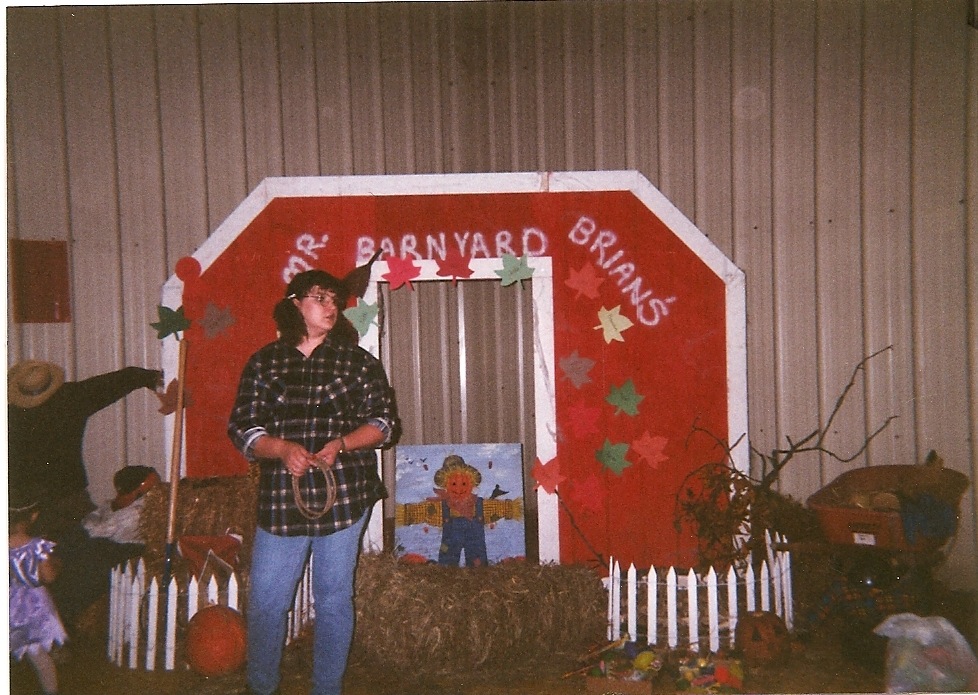
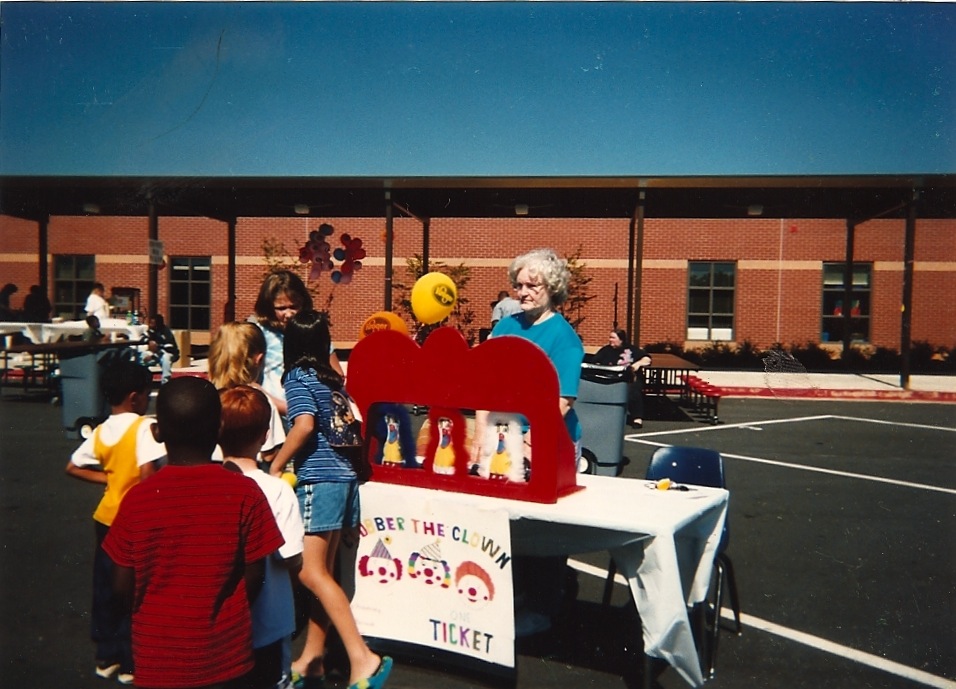
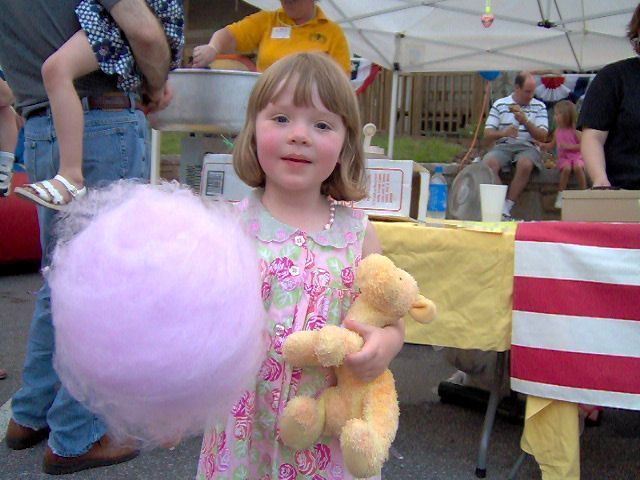
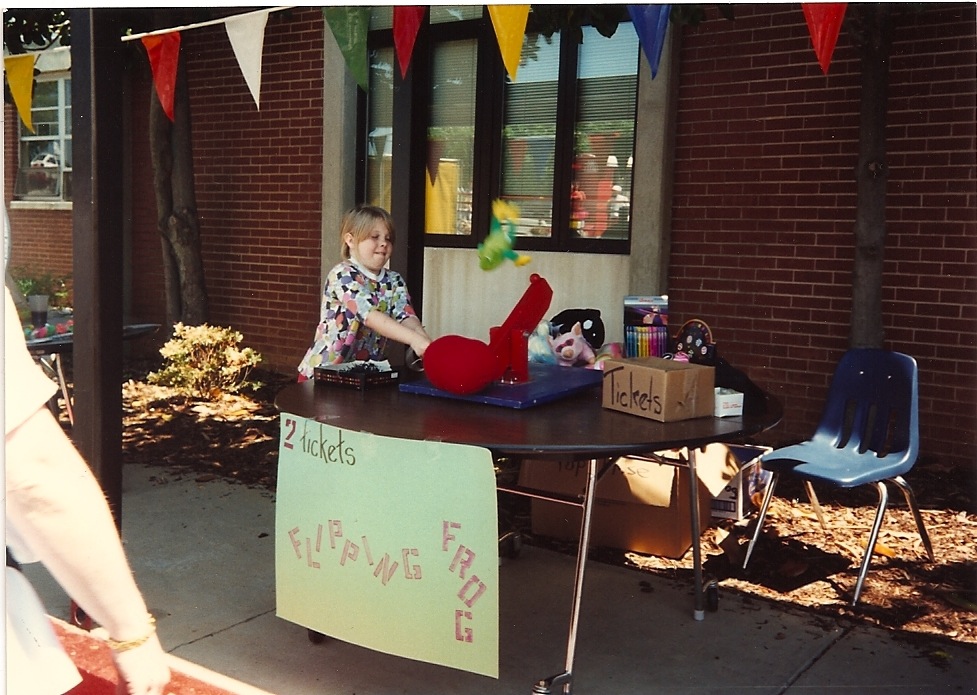
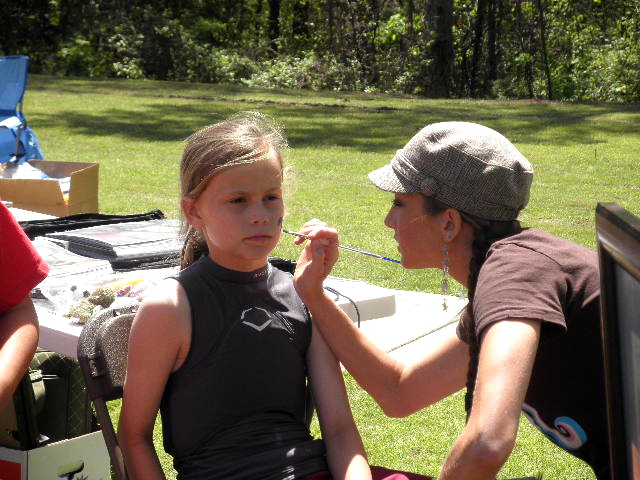
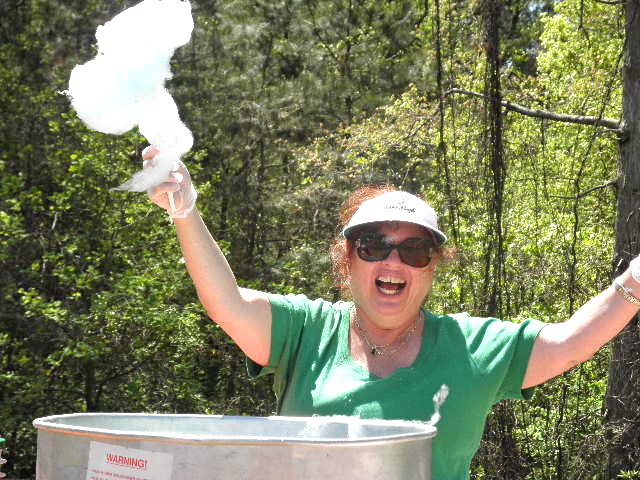
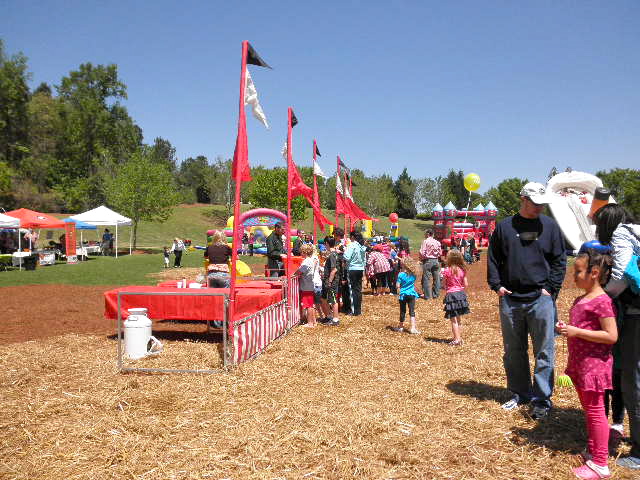
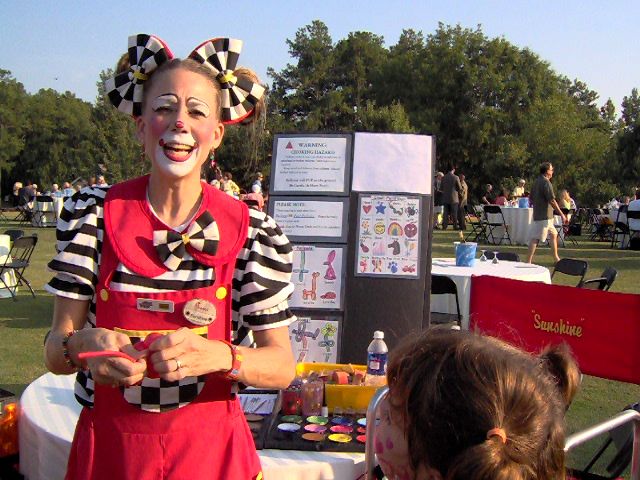
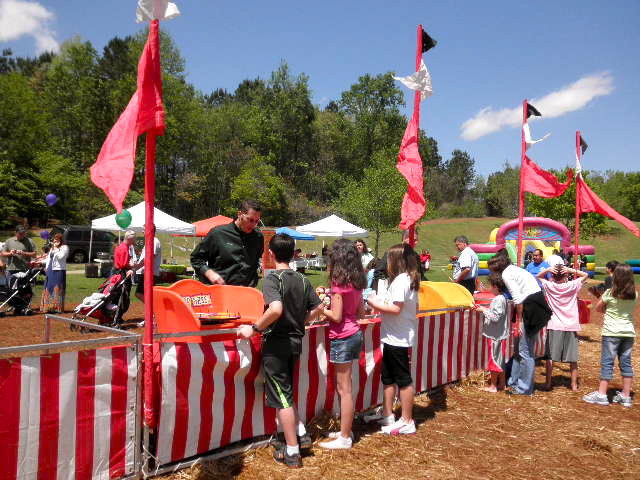
Local gatherings, from small neighborhood block parties to larger town festivals, serve as crucial touchstones for community building. They offer a unique opportunity for individuals to interact with their neighbors, discover local businesses, and celebrate the unique character of their area. These events aren't just about entertainment; they’re about forging connections and strengthening the social fabric of the community. They create a sense of place, fostering pride and belonging among residents. A well-organized festival, for example, can attract visitors from outside the area, boosting the local economy and showcasing the community's talents and assets. Moreover, they offer spaces for impromptu interactions, serendipitous encounters, and the development of unexpected friendships. The energy and excitement generated by these events can be truly transformative, leaving a lasting positive impact on participants and the community as a whole.
Fostering Inclusivity at Events
However, the true power of community events lies in their inclusivity. It's essential to ensure that events are accessible to everyone, regardless of age, ability, background, or socioeconomic status. This means considering factors such as physical accessibility, affordability, and cultural sensitivity. Offering a variety of activities and events that cater to different interests and needs is also crucial. Proactively reaching out to underrepresented groups and seeking their input in the planning process can help ensure that events are truly representative of the diverse community they serve. Creating a welcoming and inclusive atmosphere where everyone feels valued and respected is paramount. This requires ongoing commitment and a willingness to adapt and learn.
| Event Type | Key Considerations for Inclusivity |
|---|---|
| Outdoor Festivals | Accessible pathways, designated quiet zones, sensory-friendly activities, affordable entry options. |
| Workshops & Classes | Scholarship opportunities, childcare provision, translated materials, diverse instructor representation. |
| Community Meetings | Accessible venues, online participation options, clear and concise communication, diverse facilitation styles. |
Ultimately, successful events are those that prioritize the needs and interests of the entire community, fostering a sense of belonging for all.
The Role of Arts and Culture in Community Wellbeing
Arts and cultural initiatives are integral to a thriving community, acting as catalysts for creativity, expression, and social connection. Access to the arts has been consistently linked to improved mental and physical health, reduced social isolation, and enhanced civic engagement. Art galleries, music venues, theaters, and community arts centers provide spaces for people to come together, share their talents, and experience the transformative power of artistic expression. Supporting local artists and cultural organizations is an investment in the community’s future. These entities not only enhance the quality of life for residents but also attract visitors and contribute to the local economy. Moreover, cultural events often serve as platforms for dialogue, promoting understanding and empathy across different groups.
Supporting Local Artists and Creative Industries
Nurturing the local creative ecosystem is vital for community wellbeing. This can involve providing funding opportunities for artists, establishing affordable studio spaces, and promoting local arts events. Collaborations between artists, businesses, and community organizations can also create innovative and engaging experiences for residents. Creating a supportive environment for artists encourages them to stay in the community, contribute their talents, and inspire others. Recognizing the economic value of the creative industries and fostering a culture of innovation are essential steps towards building a vibrant and sustainable community. Moreover, programs that bring art into schools and public spaces can help cultivate a lifelong appreciation for the arts among residents.
- Invest in local arts education programs.
- Support local artists through grants and commissions.
- Create affordable studio and exhibition spaces.
- Promote local arts events and festivals.
The arts are not a luxury; they are an essential component of a healthy and vibrant community.
Technology and Community Engagement: Bridging the Digital Divide
While traditional face-to-face interactions remain essential, technology plays an increasingly important role in fostering community engagement. Online platforms, social media groups, and virtual events can connect people who might not otherwise have the opportunity to interact. However, it’s crucial to address the digital divide and ensure that everyone has access to the technology and skills needed to participate fully in the digital world. Providing affordable internet access, offering digital literacy training, and creating online spaces that are accessible to people with disabilities are all important steps. Technology can also be used to enhance traditional community events, by providing online registration, promoting events through social media, and collecting feedback from participants. It's vital to leverage technology as a tool to complement, not replace, in-person interactions.
Leveraging Social Media for Community Building
Social media platforms can be powerful tools for community building, but they must be used strategically. Creating dedicated online groups for local neighborhoods, interests, or initiatives can foster a sense of belonging and provide a space for residents to connect and share information. Regularly posting updates about local events, community news, and opportunities for involvement is essential. Responding to comments and messages promptly and engaging in meaningful conversations with residents can help build trust and strengthen relationships. However, it’s also important to be mindful of the potential downsides of social media, such as misinformation and online harassment. Moderating online spaces and promoting responsible online behavior are crucial.
- Create a dedicated community Facebook group.
- Share regular updates about local events.
- Encourage residents to share their experiences.
- Moderate the group to ensure respectful dialogue.
When used effectively, technology can be a powerful tool for building stronger, more connected communities.
The Impact of Volunteering and Civic Participation
Volunteering and civic participation are cornerstones of a healthy democracy and vibrant community. When individuals actively engage in serving their community, they not only address important social needs but also strengthen the bonds that tie people together. Volunteering provides opportunities for individuals to develop new skills, meet new people, and make a tangible difference in the lives of others. Civic participation, such as attending town hall meetings, voting in elections, and advocating for local issues, empowers residents to shape the future of their community. These acts of engagement foster a sense of ownership and responsibility, leading to a more informed and engaged citizenry.
Encouraging volunteerism and civic participation requires creating accessible opportunities and removing barriers to participation. Streamlining the volunteer application process, providing training and support to volunteers, and recognizing their contributions are all important steps. Promoting voter registration and making it easier for residents to participate in elections are also essential. A community that values volunteerism and civic participation is a community that invests in its own future. Organizations such as https://thebonrush-uk.co.uk, are often pivotal in orchestrating these opportunities and fostering a culture of giving back.
Looking Ahead: Cultivating Sustainable Community Wellbeing
The future of community wellbeing hinges on our ability to adapt to changing societal needs and embrace innovative approaches to engagement. Prioritizing sustainability is paramount, ensuring that community initiatives are environmentally responsible and economically viable. This requires a holistic approach that considers the interconnectedness of social, economic, and environmental factors. Investing in green spaces, promoting sustainable transportation options, and supporting local businesses are all important steps towards creating a more sustainable community. Furthermore, fostering intergenerational connections and providing opportunities for mentorship can help bridge the gap between different age groups and preserve valuable knowledge and skills.
Consider the example of a community garden initiative. It provides fresh, healthy produce for residents, promotes environmental stewardship, and creates a space for intergenerational interaction. Seniors can share their gardening expertise with younger generations, while younger participants can help with the physical labor. This type of initiative not only addresses food insecurity but also fosters a sense of community and promotes healthy lifestyles. Building truly resilient communities requires a commitment to ongoing learning, collaboration, and a willingness to embrace new ideas, ultimately fostering a more inclusive and flourishing future for everyone. A continuous assessment of community needs and adaptation of initiatives is key to longevity and positive impact.